
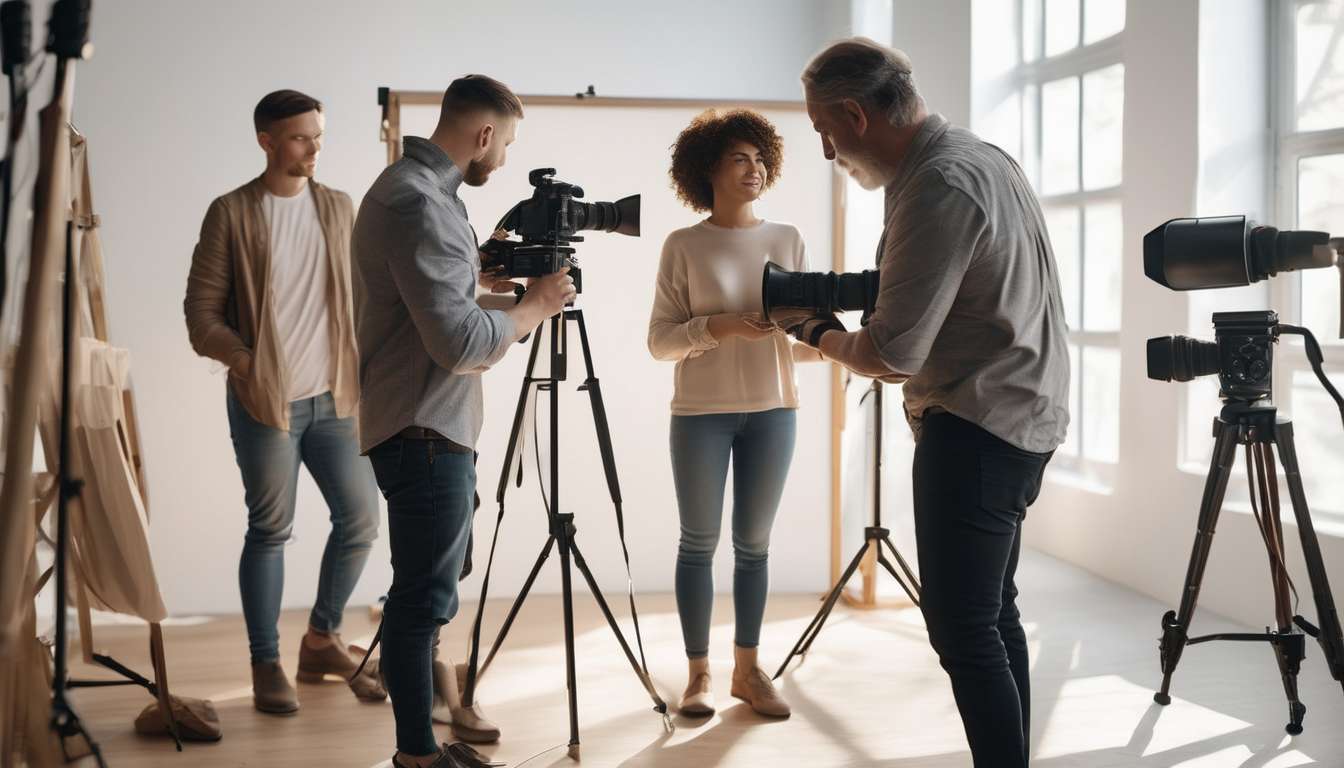
Just as a gallery’s lighting can transform a portrait, professional training connects technical skill with the human-centered support adult photography studio teams provide.
We draw on cross-disciplinary methods—therapeutic communication, adaptive equipment instruction, and accessible workflow design—to ensure every session centers dignity and creativity.
By combining photography technique with adult learning principles, we build teams that:
- Anticipate sensory needs.
- Manage behavioral differences.
- Foster expressive risk-taking.
Our trainings emphasize practical routines:
- Setting up inclusive spaces.
- Using clear visual cues.
- Collaborating with caregivers and participants to co-create images.
We measure success not only by image quality but by participant outcomes: engagement, confidence, and autonomy.
Through hands-on workshops, mentorship, and reflective practice, we refine both craft and compassion.
Together we transform studios into welcoming environments where adults with diverse abilities are seen, heard, and photographed with respect—producing work that celebrates personhood while maintaining professional standards.
Training Foundations for Studios
Core training goals, essential competencies, and a clear curriculum framework will ensure safety, legal compliance, and consistent client experience.
Practical modules centered on inclusive photography practices will emphasize respect, consent, and representation so every team member feels part of a welcoming collective.
Measurable competencies will guide assessments and certifications:
- Technical proficiency (lighting, camera settings, post-processing)
- Session planning (pre-session intake, accessibility needs, timing)
- Risk management (safety protocols, emergency procedures)
- Documentation (consent forms, model releases, incident logs)
Adaptive techniques training will equip staff to modify lighting, posing, and equipment for diverse bodies, abilities, and comfort levels.
Role-specific pathways will map growth routes and shared responsibilities so newcomers and seasoned professionals understand expectations and opportunities.
Brief, focused workshops on boundaries and client advocacy will be embedded, while reserving in-depth listening and counseling topics for a subsequent subtopic.
Regular peer reviews and scenario-based drills will foster mutual support and continuous improvement.
Transparent expectations, shared language, and collaborative evaluation will create a training foundation where everyone belongs and contributes to safe, consistent, high-quality client experiences.
Therapeutic Communication Skills
We’ll practice communication techniques that prioritize empathy, clear consent, and de-escalation so clients feel seen, safe, and in control throughout their session.
We listen first, mirror emotions, and ask permission before touching or adjusting poses, which reinforces trust and shared agency.
We use plain, respectful language, checking comprehension and inviting preferences so every person can participate fully in inclusive photography.
When situations become tense, we apply therapeutic communication strategies:
- Calm tone.
- Pacing our speech.
- Validating feelings.
- Offering simple options to reduce overwhelm.
We cultivate nonverbal awareness—eye contact, posture, and space—to align with each client’s comfort and body language.
We practice collaborative scripting for introductions, consent prompts, and gentle redirects so teammates respond consistently.
We debrief after sessions to reflect on what worked and where adaptive techniques could improve access and dignity without shifting into equipment instruction.
By centering belonging, mutual respect, and clear boundaries, we build a studio culture that honors autonomy and fosters meaningful photographic experiences for everyone.
Adaptive Equipment Instruction
We’ll provide clear, hands-on guidance for using adaptive equipment — from mobility supports to custom grips — so teammates can safely set up, adjust, and troubleshoot gear without giving medical advice.
We teach practical adaptive techniques that help everyone participate in sessions, demonstrating proper mounting, securing, and quick adjustments for cameras, lighting, and props.
We emphasize inclusive photography as a team value, showing how modest equipment changes expand creative options and comfort.
We practice role-play and shared problem-solving so teammates gain confidence while respecting clients’ autonomy and boundaries.
We pair instruction with therapeutic communication reminders:
- How to ask permission.
- How to offer choices.
- How to describe actions before touching equipment near a client.
We include checklists, simple maintenance steps, and escalation paths for issues beyond our scope.
By keeping training hands-on, concise, and collaborative, we build a studio culture where teammates feel competent, connected, and trusted to use adaptive gear safely and respectfully.
Designing Accessible Workflows
We’ll map and simplify every studio step—booking, intake, setup, shooting, and wrap-up—so teammates can reliably follow accessible procedures that respect client needs and reduce guesswork.
Create clear checklists, role assignments, and fallback options
- Assign roles and backup partners for each shoot phase.
- Produce step-by-step checklists for booking, intake, setup, shooting, and wrap-up.
- Include fallback actions for common disruptions (no-show, equipment failure, client distress).
Use inclusive photography principles to shape forms, room layout, and timing
- Design intake forms with clear plain language, multiple access formats (paper, digital, large-print, screen-reader–friendly).
- Arrange room layout for mobility devices, clear sightlines, adjustable seating, and quiet zones.
- Offer flexible scheduling and extra time options to reduce rush and stress.
Train on adaptive techniques to modify props, lighting, and positioning quickly
- Teach quick solutions: adjustable mounts, modular props, non-slip surfaces, tactile markers.
- Standardize lighting presets for different needs and practice rapid adjustments.
Practice signals and pacing that honor sensory needs while maintaining professional rhythm
- Develop and train on verbal and nonverbal signals (hand signs, lights, discrete cards) for start/stop, breaks, and support.
- Establish pacing guidelines that allow pauses, gradual transitions, and predictable timing.
Emphasize therapeutic communication to build safety and trust
- Teach teammates to listen actively, validate feelings, and present choices.
- Use scripts and examples for de-escalation, consent checking, and positive reinforcement.
Document plain-language protocols and quick-reference cards for common scenarios
- Create one-page reference cards for each role and each common situation (equipment problem, mobility assistance, sensory overload).
- Keep digital and printed copies easily accessible in studio.
Solicit feedback from clients and staff to refine steps
- Implement short post-session feedback (accessible formats) and periodic staff debriefs.
- Use feedback to update checklists, roles, and fallback procedures.
By centering accessibility in workflow design, we create dependable routines that strengthen team cohesion and deliver equitable, dignified experiences for everyone who walks through our doors.
Session Planning and Routines
We’ll map each session from pre-shoot planning through teardown so teammates know timing, roles, and contingency steps before a client arrives.
We outline a consistent flow:
- Greeting
- Orientation
- Set adjustment
- Shot-list progression
- Breaks
- Tidy teardown
Routines reduce guesswork and invite every teammate to contribute strengths.
This reinforces that we belong to a dependable crew.
We build checklists that embed inclusive photography principles:
- Accessibility notes
- Preferred communication styles
- Sensory considerations
These checklists ensure each client feels seen.
We assign clear roles and cross-train so someone can step in without disrupting rapport.
We practice adaptive techniques for lighting, posing, and equipment handling, keeping setups efficient and comfortable.
We script brief, flexible cues that preserve agency and dignity, and we use therapeutic communication to calm anxiety and celebrate participation.
After each session we debrief quickly:
- What worked
- What to adjust
- How to share wins
These routines make our studio predictable, compassionate, and skilled, so teammates and clients move through sessions with trust and clarity.
Caregiver Collaboration Practices
We coordinate with caregivers before, during, and after sessions to align expectations, share strategies, and support client comfort without undermining their relationship.
Before sessions:
- We invite caregivers into planning conversations.
- We ask about routines, triggers, and sensory needs.
- We jointly identify adaptive techniques that make shoots calmer and more meaningful.
During sessions:
- We keep channels open for brief cues and updates.
- We use therapeutic communication to validate feelings and reduce anxiety.
- We offer short coaching so caregivers can reinforce techniques that worked, creating consistency between studio and home.
We center inclusive photography by discussing preferred poses, sensory considerations, and visual goals so final images reflect each person’s identity.
After sessions:
- We debrief and exchange observations.
- We outline follow-up steps that honor caregivers’ expertise.
- We support ongoing reinforcement of successful strategies.
By treating caregivers as partners, we build trust, expand our team’s empathy, and foster belonging for clients and their support networks while delivering respectful, person-centered photography.
Measuring Participant Outcomes
We track specific, measurable outcomes—like participant comfort, engagement levels, and caregiver-reported satisfaction—to evaluate how our sessions impact well-being and photographic access.
We collect baseline and follow-up data using brief, respectful surveys, observation checklists, and short interviews so everyone feels seen and heard.
We quantify comfort with simple scales and note instances where adaptive techniques increased participation, then compare results across sessions to identify patterns.
We measure engagement by counting choices made during shoots, time spent interacting, and smiles or other positive cues, combining quantitative and qualitative notes.
- Quantitative: counts, durations, simple numeric scales.
- Qualitative: notes on behavior, context, and caregiver observations.
We log therapeutic communication through examples of language that calmed, encouraged, or enabled collaboration.
We share aggregated outcomes with the team and participants in accessible summaries, celebrating progress and highlighting areas to adjust.
We center inclusive photography outcomes so decisions are grounded in evidence and belonging, ensuring our studio practices continuously evolve to meet diverse needs without losing sight of dignity and shared purpose.
Mentorship and Reflective Practice
We pair less-experienced staff with seasoned mentors and schedule regular reflective sessions.
These sessions let us refine skills, troubleshoot challenges, and keep practice responsive to participants’ needs.
We create a safe, collaborative space where everyone’s voice matters and experience is shared without judgment.
We model inclusive photography by discussing access, representation, and consent in concrete terms.
We practice adaptive techniques that meet varied abilities and comfort levels.
Mentors coach on technical and creative skills while encouraging experimentation and honoring individual perspectives.
- Framing, lighting, and prompts
- Encouragement of experimentation
- Respect for each team member’s perspective
We focus on therapeutic communication so interactions support participants’ dignity and emotional safety.
- Listening
- Validating
- Setting boundaries
Reflection notes are practical and action-oriented.
- What worked
- What didn’t
- Action steps to try next session
We track progress through peer feedback and brief outcome checks, adjusting training goals together.
By keeping mentorship ongoing and reflective, we strengthen skills, deepen trust, and build a studio culture where everyone belongs and contributes to compassionate, high-quality work.
How do you handle copyright and model release forms when participants have guardians or limited decision-making capacity?
We’ll prioritize consent and clarity when guardians or participants with limited decision-making capacity are involved.
We’ll obtain signed model releases from guardians or legally authorized representatives.
We’ll explain rights in plain language and document verbal assent from participants whenever possible.
We’ll consult legal counsel for capacity questions.
We’ll keep copies of all releases and reassess consent if situations change.
We’ll offer opt-outs and ensure everyone feels respected, safe, and included throughout the process.
What insurance or liability considerations should studios address when working with adults with disabilities?
When we work with adults with disabilities, we prioritize inclusive insurance and liability planning.
We secure the following coverages:
- General liability
- Professional liability
- Abuse/molestation coverage
We confirm coverage and protections for activities and staff:
- Participants are covered during transports.
- Assistants are bonded and background-checked.
We document policies and plans:
- Accommodations
- Emergency plans
- Consent and guardian agreements
We train and review to maintain safety and inclusion:
- Train staff in accessible practices.
- Regularly review policy limits and exclusions.
Goal: Everyone feels safe, respected, and fully supported in our studio.
How can studios structure pricing, payment assistance, or funding options to ensure sessions remain affordable and equitable?
We’ll design sliding-scale pricing, package tiers, and community rates so sessions stay affordable and welcoming.
We’ll offer payment plans, subsidized vouchers funded by grants or donations, and partner with local agencies for referrals and funding.
We’ll clearly communicate options, waive fees when possible, and create periodic discounted days.
We’ll track outcomes to justify continuing support and invite clients to help shape fair policies that honor dignity and access.
Conclusion
You’ve built a studio culture where training empowers every team member to support adults with diverse needs.
By practicing therapeutic communication, using adaptive equipment, and refining accessible workflows, you make sessions predictable, respectful, and creative.
Collaborating with caregivers, measuring outcomes, and committing to mentorship keeps your practice responsive and accountable.
Keep reflecting, sharing lessons, and investing in staff growth — and you’ll sustain meaningful photographic experiences that honor participants’ abilities, choices, and dignity.