
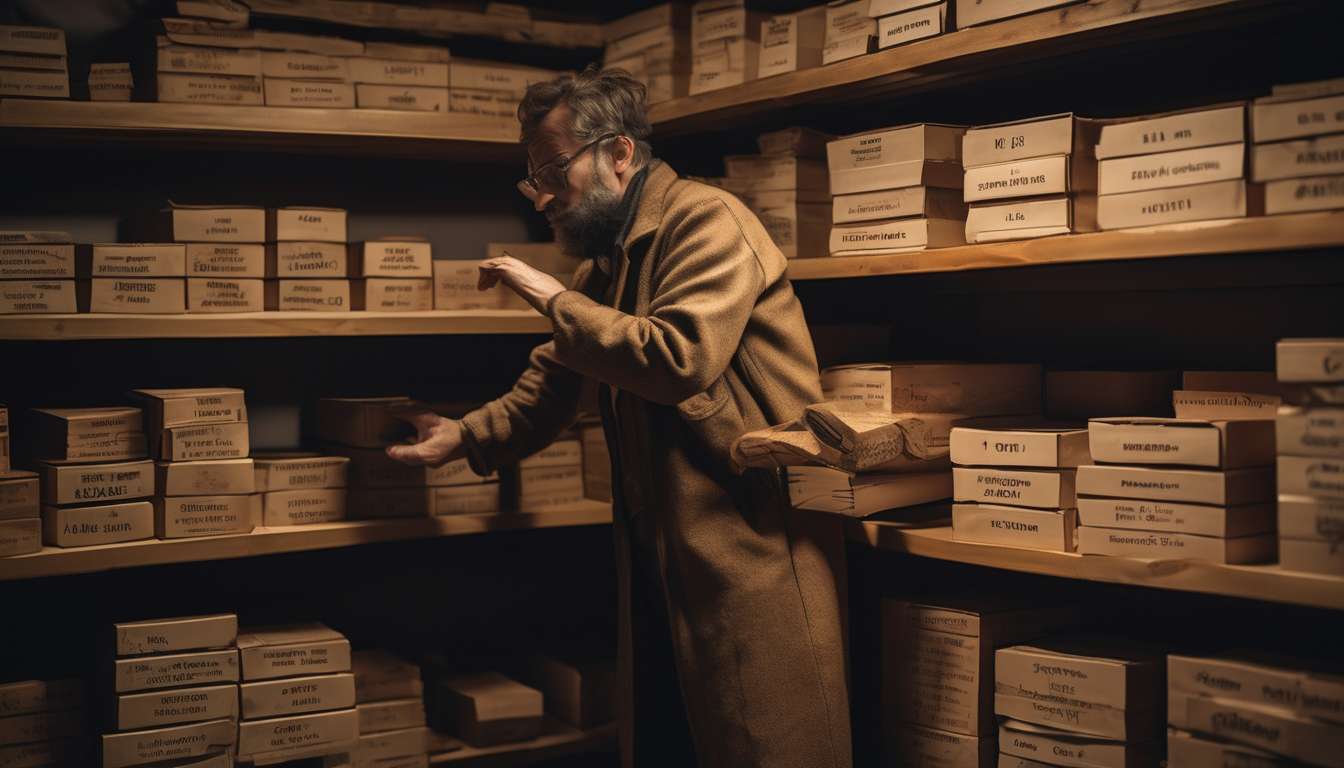
Evolving from analog negatives to high-resolution digital files, there is an unexpected connection between archival wine cellars and preserving adult photography catalogs: both demand controlled environments, meticulous cataloging, and patience.
We approach preservation as stewardship of cultural and commercial value rather than mere storage.
Temperature, humidity, and light exposure quietly dictate longevity.
We organize metadata and provenance as vintners track harvests.
Clear records enhance rarity and price.
We invest in secure, climate-controlled spaces and redundant backup systems.
Each image is treated as an asset whose worth can mature over time.
We balance accessibility with protection through tiered access and rights management.
Value is maintained without sacrificing appropriate availability.
We anticipate technological shifts and plan migrations to future formats.
This ensures continuity across decades.
By borrowing principles from unexpected domains, we transform long-term storage into a proactive strategy that preserves both the integrity and market value of adult photography collections.
Why Preservation Matters
We preserve adult photography catalogs because durable, properly managed storage protects their legal, monetary, and historical value over decades.
These collections represent more than images; they hold creators’ rights, provenance, and community memory.
Photograph preservation demands consistent handling, high-quality enclosures, and detailed archival metadata so every item’s origin, permission status, and usage constraints stay clear.
By naming files, recording formats, and tracking chain-of-custody, we create trust among contributors and partners who want assurance their work endures respectfully.
We invest in digital redundancy to prevent loss:
- Multiple geographically dispersed copies
- Varied media types
- Routine integrity checks
Together, we develop policies that balance accessibility with legal safeguards, ensuring licensing records and consent documents remain linked to images.
We’re committed to stewardship that feels inclusive:
- Protecting creators’ legacies
- Maintaining operational transparency
- Keeping catalogs usable and valuable for future collaborators and communities
Climate Control Essentials
To keep collections usable for decades, we control temperature and humidity strictly, monitor conditions continuously, and respond to deviations immediately.
We create a shared standard so everyone feels included in protecting images. Stable environments reduce chemical breakdown and physical distortion — key to photograph preservation.
We set targets, use calibrated sensors, and keep logs that our team reviews together.
- Target conditions: around 18–20°C and 30–40% RH for mixed collections.
- Equipment: calibrated sensors and continuous monitoring systems.
- Procedures: regular logging and team review of environmental data.
We design redundancy into environmental systems to avoid single points of failure.
- Backup HVAC systems.
- Alarmed dehumidifiers.
- Written contingency plans for equipment or power failures.
Maintenance is communal and focuses on microclimates.
- Staff training to spot issues near windows, shelving, or equipment.
- A shared maintenance schedule so responsibilities are clear.
We link environmental logs to archival metadata for traceability.
- Environmental history is integrated with collection records so researchers and caretakers can trace storage conditions without guesswork.
For born-digital assets, we apply digital redundancy alongside physical care.
- Create geographically distributed copies.
- Perform routine integrity checks (checksums, fixity monitoring).
- Maintain access and preservation metadata so the archive remains accessible, trustworthy, and ready for future stewardship.
Metadata and Provenance Practices
We record provenance and treatments so future users can trust and interpret the collection.
We record who created each image, when and where it was made, how it changed hands, and any treatments it’s received.
We build a shared practice that treats metadata as part of the object, not an afterthought.
Our team applies consistent archival metadata schemas, embedding key fields:
- Creator
- Rights
- Technical details
- Condition reports
This makes contributions legible and respected for newcomers.
We maintain provenance logs that document transfers, ownership, restoration steps, and access restrictions.
- This transparency strengthens community trust.
- It supports long-term valuation.
For digital assets, we enforce redundancy and integrity checks:
- Geographically separated repositories
- Checksum verification to detect corruption
- Regular audits
- Migrations to current formats
- Clear version histories so everyone knows what changed, when, and why
By combining precise metadata, documented provenance, and robust redundancy, we create an inclusive stewardship model that keeps catalogs accessible, trustworthy, and valuable for all stakeholders.
Secure Physical Storage
We secure physical prints and originals in climate-controlled, access-restricted storage and monitor conditions continuously to prevent damage and unauthorized use.
We treat every item as part of our shared legacy and apply photograph preservation best practices:
- Acid-free sleeves
- Buffered boxes
- Stable temperature and humidity setpoints that slow chemical degradation
We limit handling to trained staff and use careful handling protocols (gloves, supports, gentle lighting) so the work endures.
We link each object to archival metadata that records provenance, condition reports, and approved access permissions. This ensures the community knows an item’s history and care requirements.
We balance openness with responsibility so members can trust the collection is both accessible and protected.
We include digital redundancy in our planning to remind collaborators that secure storage is about resilience as well as physical space.
Together we maintain standards, share stewardship, and preserve value so the catalog remains meaningful and intact for the community.
Digital Redundancy Strategies
We replicate master files across geographically separate, access-controlled systems and verify integrity with automated checks so our digital surrogates stay usable and authentic.
We design layered digital redundancy to protect against hardware failure, bit rot, and site-specific disasters.
- Pair on-site mirrors with off-site cold storage and cloud-hosted copies.
We maintain consistent archival metadata for every file—descriptive, technical, and provenance fields—so each team member recognizes context and trust is preserved.
We run scheduled checksum audits and fixity alerts, and we log every repair action to a secure audit trail.
- That transparency helps us feel confident and connected in stewardship.
We prefer open, documented formats to avoid obsolescence, migrate strategically, and keep clear migration records within archival metadata.
Our redundancy plan balances cost and risk.
- Multiple copies in diverse locations.
- Periodic refresh cycles.
- Regular disaster-recovery drills that include defined team roles.
By treating digital redundancy as a shared responsibility, we ensure photograph preservation while building a collaborative culture that values care, continuity, and belonging.
Access and Rights Management
We define who can see, use, and modify our images and enforce those rules through clear permissions, role-based access, and documented rights statements.
We create a shared framework so team members feel included and trusted while protecting creators and subjects.
Our access policies tie directly to photograph preservation:
- Restricted edit rights prevent accidental loss or alteration.
- View-only roles limit downstream copying.
We record permissions and provenance within archival metadata, so every change, license, or consent is traceable and readable by authorized staff.
That metadata becomes our communal memory, helping newcomers integrate quickly and letting long-time collaborators confirm compliance.
We align rights management with our digital redundancy practices:
- Replicated copies respect the same access controls.
- Encrypted storage ensures only those with proper roles can retrieve originals.
By combining precise permissions, inclusive governance, and persistent metadata, we foster belonging while keeping our catalog secure, auditable, and viable for long-term stewardship.
Migration and Format Planning
We’ll map out when and how we’ll move files between formats and systems so our images stay accessible, authentic, and usable over decades.
We’ll create a migration schedule tied to format risk assessments, pinpointing when compression artifacts, software obsolescence, or storage decay warrant conversion.
We won’t act alone — we’ll include teammates so everyone feels invested in photograph preservation and understands responsibilities.
We’ll standardize target formats, document provenance, and embed archival metadata to maintain authenticity through each transfer.
Checksums, versioning, and test restores will be routine steps before and after migrations.
We’ll prioritize lossless master files, keeping derivatives for delivery while preserving originals.
We’ll design digital redundancy across geographically separated repositories and cloud providers, balancing cost with risk tolerance.
We’ll log every migration event in a transparent ledger so the community can trace changes and trust our catalog.
By planning migrations deliberately, we protect image value, enable future use, and strengthen our shared commitment to caring for this collection.
Valuing Long-Term Stewardship
We’ll articulate why sustained care—time, expertise, and resources—adds measurable value to our catalog and commit to funding and policies that reflect that worth.
We believe stewardship is a shared responsibility: by investing in photograph preservation we protect context, provenance, and the emotional integrity that bonds us to the work.
We’ll define clear roles so everyone knows how to contribute, and we’ll train staff in conservation techniques and the creation of robust archival metadata to ensure items remain discoverable and meaningful.
We’ll implement technical practices to ensure digital survival:
- Scheduled integrity checks
- Geographic digital redundancy
- Documented migration plans for format and platform changes
We’ll measure outcomes and publish results to maintain trust:
- Track access metrics
- Produce regular condition reports
- Conduct periodic audits
We’ll align budgets and decision-making with risk and community values:
- Budget according to risk assessments
- Prioritize interventions based on impact and urgency
- Create community feedback loops so decisions reflect collective values
By valuing long-term stewardship, we ensure our catalog remains usable, respected, and welcoming for current and future members.
How do legal and cultural considerations about adult content differ between countries when storing or transferring collections internationally?
When considering how legal and cultural views on adult content vary between countries, we notice stark differences in obscenity laws, age-verification, and consent documentation requirements.
We respect partners’ norms, consult local counsel, and build inclusive policies that honor diverse communities.
We avoid assuming uniform standards, adapt transfers to comply with export/import restrictions, and prioritize transparent communication so everyone involved feels safe, respected, and legally protected.
What are recommended practices for anonymizing or redacting sensitive personal information in captions or metadata while preserving research value?
We’re asking how to anonymize captions and metadata while keeping research value.
Remove direct identifiers. Replace explicit names, usernames, and account handles with consistent pseudonyms so individual records can be linked across datasets without revealing identity.
Generalize sensitive attributes. Convert exact ages, locations, and dates into ranges (for example, “25–29” or “city-level” rather than street address or precise GPS), preserving analytic utility while reducing re-identification risk.
Strip contact details and use hashed IDs. Remove phone numbers, email addresses, and direct contact links; replace internal record keys with cryptographic hashes or surrogate IDs so records remain linkable within the study but not externally identifiable.
Document redaction rules and provenance. Maintain written, versioned rules that describe what is redacted or transformed, why, and how, so researchers can interpret the anonymized data correctly.
Control access to original data. Keep raw, identifying data in a secured, access-controlled environment and allow access only to approved researchers under strict governance for verification or higher-risk analyses.
Engage communities and legal reviewers. Regularly review anonymization practices with affected communities and legal/privacy advisors to ensure ethical acceptability and compliance with laws, and update procedures as threats or standards evolve.
How should estate planning and bequests address possession, access, and disposal of adult photography collections after the owner’s death?
Overview — purpose of estate planning for adult photography collections
Estate planning should explicitly address how your adult photography collections are to be possessed, accessed, and disposed of after your death to protect privacy, respect consent, and carry out your wishes.
Specify clear instructions in wills and trusts
- Include explicit, detailed instructions about possession, access rights, and permitted uses (viewing, sharing, publication).
- Use trusts when appropriate to allow narrower control, conditions, or delayed access, and to appoint a trustee with fiduciary duties to follow your terms.
Name a trusted custodian and an alternate
- Appoint a primary custodian who understands privacy concerns and your values.
- Name at least one alternate to ensure continuity if the primary is unable or unwilling to serve.
- Provide contact information and any credentials (e.g., lawyer, archival professional) that justify their selection.
Grant limited access terms respecting privacy and consent
- Define who may access the collection (named individuals, professionals, or none).
- Specify the conditions for access, such as time delays (e.g., X years after death), required purpose, or oversight (e.g., trustee approval).
- Address consent issues: where images include other identifiable adults, instruct that access or transfer must respect the recorded or reasonably inferred consent of those subjects, and that identifiable images should not be published or shared without explicit consent.
- Consider redaction or anonymization requirements if partial access is allowed.
Include disposal preferences
- Secure deletion: instruct methods for digital files (secure wipe standards, e.g., overwriting, use of certified digital forensics/destruction services).
- Transfer to archives under confidentiality: permit transfer to a professional archive or repository that agrees to confidentiality terms and access restrictions.
- Physical destruction: specify secure destruction methods for physical media (shredding, incineration, professional destruction services).
- Rank options or set conditional choices (e.g., if a named custodian refuses, proceed to secure deletion).
Provide legal guidance to align wishes with local law and ethical obligations
- Consult local counsel to ensure directives are legally enforceable and don’t conflict with statutes (e.g., rights of privacy, postmortem publicity, or evidence retention rules).
- Address intellectual property and copyright: state whether copyrights are transferred, and to whom; provide licensing terms if you allow posthumous use.
- Anticipate legal requests: instruct how your custodian should respond to subpoenas, law enforcement requests, or claims by third parties.
- Consider ethical obligations: ensure instructions reflect respect for the autonomy and dignity of depicted persons and do not facilitate non-consensual distribution.
Practical steps to implement
- Draft clear clauses for your will and, if used, a separate trust agreement covering digital assets and physical media.
- Create an inventory with secure storage locations, passwords, and access procedures; store this inventory securely and reference it in estate documents.
- Provide written, signed authorizations for your chosen custodian and alternates.
- Review and update documents periodically and when laws or circumstances change.
Final note
- Document clarity and enforceability are key: precise language, legal review, and selecting trustworthy custodians will best protect privacy and fulfill your wishes regarding sensitive adult photography collections.
Conclusion
You’ll protect your photography catalog’s value by treating preservation as ongoing stewardship, not a one-time chore.
Keep climate, pests, and handling risks low, and document metadata and provenance so each image’s story endures.
Combine secure physical storage with digital redundancy and routine migrations to current formats.
Control access and rights to prevent misuse while enabling proper use.
By planning and valuing long-term care, you’ll preserve both integrity and market worth for decades.